



How AI-Enabled Industrial Transformation is Redefining the C-Suite
7 July 2026
At Hannover Messe 2026, the overarching theme, “Industrial Transformation,” marked a definitive departure from piloting digital concepts to implementing them at enterprise scale.
Industrial organizations’ competitiveness, resilience, and sustainability now rely on how rapidly they can scale AI, automation, electrification, and industrial software. This is completely rewriting the benchmarks for effective C-suite leadership and has sparked intense cross-industry competition for top talent, with manufacturers competing directly with Big Tech.
At the same time, increasing energy efficiency, improving cyber resilience, and adapting to shifting geopolitical realities are driving additional needs for wide-ranging transformation. Below, we explore the key themes defining this new era of Industry 4.0 and their direct implications for executive talent acquisition.
1. Enterprise AI Adoption
The era of AI experimentation is over; companies are aggressively shifting toward enterprise-scale AI adoption to yield measurable business outcomes. Key implementations include AI-driven process optimization, predictive maintenance, and autonomous production systems.
However, scaling these technologies requires a massive cultural and operational shift. A primary barrier to success remains entrenched organizational silos—such as software developers failing to communicate effectively with traditional chassis and mechanical engineers. Leadership must actively foster cross-functional, collaborative ecosystems to transform raw industrial data into real-time operational decisions.
From a talent acquisition perspective, finding this leadership is a complex undertaking. The world’s top AI experts are heavily concentrated within big tech platforms, commanding multi-million-dollar salaries, meaning industrial firms must look to atypical talent pools.
“The name of the game is helping clients identify ‘conductors’—leaders who are business-savvy enough to prioritize use cases and technically adept enough to guide platforms and vendors. We are increasingly looking at atypical profiles, such as brilliant PhDs with a few years of industry experience, because nobody has 20 years of experience in industrial AI.” — Tim Zimmermann, Managing Partner, ingeniam
2. Smart Manufacturing
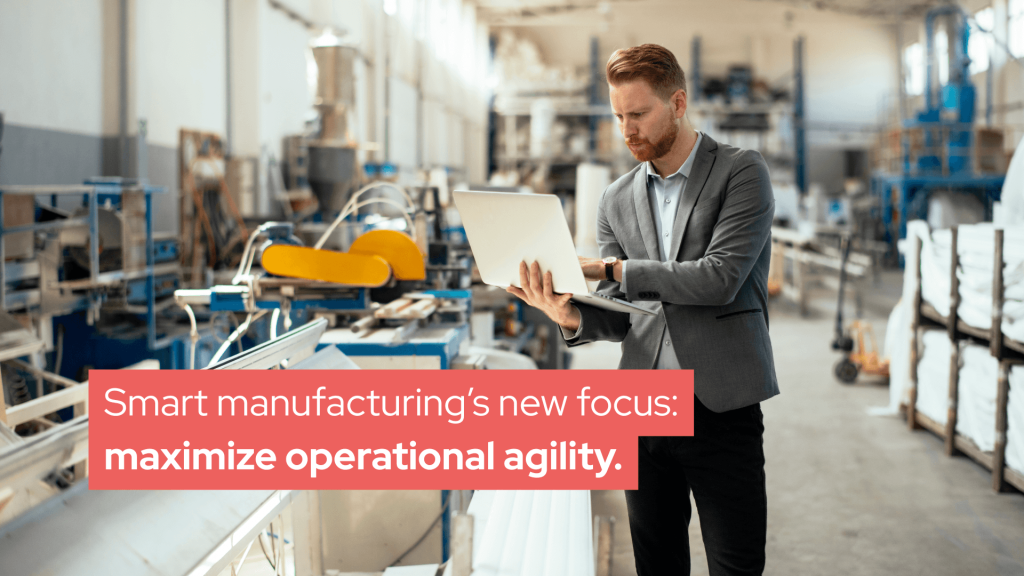
Smart manufacturing has progressed far beyond basic factory automation toward self-optimizing production lines and autonomous robotics. Driven by severe, ongoing labor shortages across advanced economies, businesses are accelerating their investments in robotics—a trend felt acutely by small and medium-sized enterprises (SMEs) that historically relied on manual labor.
However, manufacturing executives are shifting their investment strategies. The primary goal is no longer just to reduce labor costs; it is to maximize operational agility. Organizations require flexible automation architectures that seamlessly support high-mix, low-volume production environments and can instantly adapt to supply chain disruptions without heavy human intervention.
“Manufacturers are increasingly investing in systems to improve agility rather than only reducing labor costs. The ability to respond quickly to supply chain disruptions, changing demand, and workforce shortages is becoming a strategic differentiator.” — Tim Zimmermann, Managing Partner, ingeniam
3. Energy Competitiveness
Energy remains an existential strategic concern, particularly for European industry grappling with prolonged high energy costs. Consequently, energy efficiency and decarbonization pathways are absolute competitive necessities. Significant capital is flooding into industrial electrification, energy management systems, grid integration, and hydrogen technologies.
“Energy optimization is absolutely critical for cost competitiveness, particularly for European industry. Unlike regions like North America or Canada that are renowned for their abundant domestic energy resources, Europe lacks these legacy oil and gas reserves, making efficiency an immediate operational imperative.” — Tim Zimmermann, Managing Partner, ingeniam
4. Board-Level Cyber Resilience
As physical factories become hyper-connected digital ecosystems, cybersecurity has escalated into a critical board-level priority. Because scaling advanced AI architectures relies entirely on trusted, secure data flows, the convergence of IT (Information Technology) and OT (Operational Technology) must be meticulously protected.
Boards are upskilling existing directors, engaging external consultants, and working with search firms to identify and hire new independent directors with hands-on expertise in cybersecurity and AI. Learn more in our recent report on board technology readiness: The Tech-Ready Board: Redefining Board Composition and Governance in the AI Era.
5. Geopolitical Adaptation and Strategic Defense Technologies
A highly notable addition to the industrial landscape is the rapid rise of production technologies tailored for the defense sector. Spurred by geopolitical tensions, trade uncertainties, and high-profile setbacks in cross-border defense collaborations, the mandate for European strategic autonomy has intensified.
Rather than focusing on weapons systems themselves, the spotlight is on manufacturing scale-up, automation, and the expansion of defense supply chains. Major automotive and industrial giants like Volkswagen, Mercedes, and Ford are heavily focusing on building up their defense sectors with armored and autonomous vehicles. This shift toward “dual-use” products introduces highly rigid talent requirements, demanding leaders who can manage strict security clearances and navigate complex compliance landscapes.
Furthermore, the global competitive playing field has shifted dramatically. With a third of the fair’s exhibitors originating from Asia—and 99% of those from China—Western executives are facing a wake-up call to catch up with highly advanced, rapidly deployed foreign product innovations.
Key Leadership Requirements for the Future
To successfully navigate this landscape, industrial boards must prioritize the following core capabilities when evaluating C-suite and executive talent:
- Cross-Functional “Conductors”: Leaders who can systematically dismantle organizational silos, blending software engineering expertise with traditional physical production lines.
- Atypical AI Agility: The willingness to recruit and integrate non-traditional profiles (such as specialized PhDs) who possess deep technical tool knowledge over decades of legacy corporate tenure.
- Strategic Energy Stewardship: A proven track record of embedding industrial electrification, carbon reduction, and micro-grid integration directly into financial and operational models.
- OT/IT Cyber Governance: Executive vision that treats cybersecurity as a foundational element of secure AI scaling and operational continuity.
- Defense & Dual-Use Competency: Familiarity with scaling defense supply chains, managing dual-use product portfolios, and maintaining stringent compliance standards.
Summary
The sector has officially transitioned from digital transformation to AI-enabled industrial transformation. Business outcomes are no longer measured by the success of isolated pilot projects but by how effectively a leadership team can integrate AI, robotics, energy optimization, and human expertise into a single, harmonious operational system. For executive search, identifying the visionary executives capable of leading this highly integrated transformation is the defining challenge of the coming decade.
If you would like to discuss how these trends can impact your business and talent strategy, browse our Industrial expertise page to find your nearest IIC Partners consultant.
Lead Contributor: