



The Rising Demand for Aviation Cybersecurity Executives in India
12 February 2026
India’s aviation sector is witnessing a sharp rise in demand for cybersecurity talent as rapid digitalization reshapes airline and airport operations.
Increased digital access points and system complexity
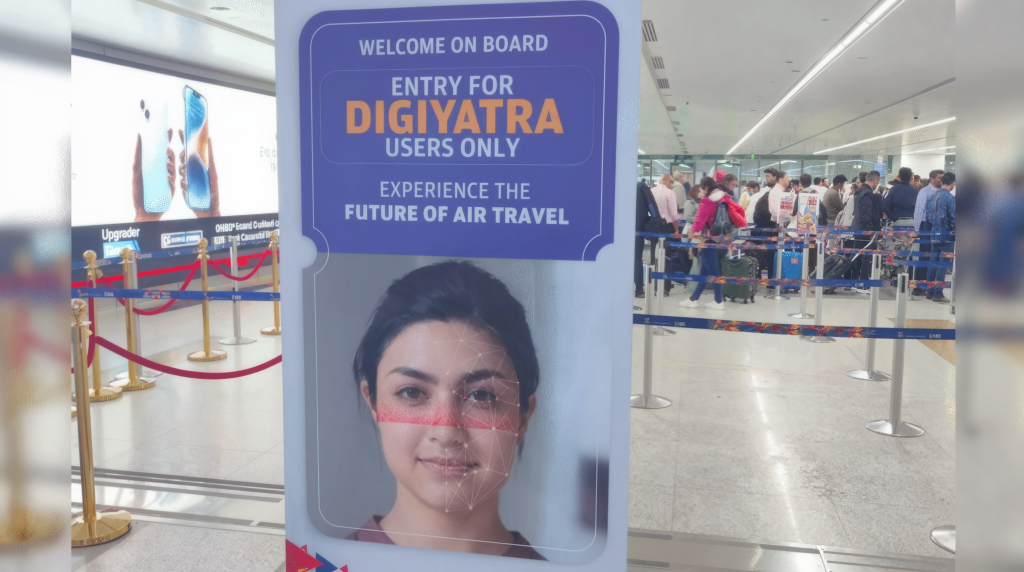
Initiatives such as Digi Yatra (facial recognition in place of documentation), biometric passenger processing, AI-enabled platforms, and cloud-based systems have significantly expanded the digital footprint of the aviation ecosystem, increasing exposure to cyber risks.
What’s more, modern aircraft come with deeply interconnected avionics, communication, navigation, and passenger systems, generating continuous data flows and multiple potential entry points for cyberattacks.
The growing reliance on complex digital infrastructure—including systems such as Controller Pilot Data Link Communications (CPDLC) and third-party software platforms—has added layers of operational complexity, requiring continuous monitoring and disaster management.
Advanced attack methods and greater regulatory scrutiny
This evolving aviation landscape, increasingly shaped by AI- and ML-driven attack techniques, has made proactive cyber defense essential to ensure operational safety, data protection, and business continuity.
This urgency is further reinforced by tighter regulatory scrutiny from aviation authorities, compelling airlines, airports, and ecosystem partners to build robust cybersecurity frameworks and specialized talent capabilities alongside the global expansion of digital aviation.
New roles to meet cybersecurity demand
The growth of Global Capability Centres and increased reliance on interconnected systems have further intensified demand for specialized talent capable of securing both IT and operational technology environments. As a result, new cybersecurity roles are emerging across the aviation value chain.
These emerging roles cover areas such as cybersecurity analysis, security engineering, threat and vulnerability management, AI and machine learning security engineering, compliance, and technology audit. These positions require strong expertise in cloud and network security, data protection, encryption, and OT security, supported by recognized certifications and a solid understanding of aviation protocols and regulatory frameworks.
Why mindset and soft-skills are crucial
Beyond technical skills, organizations are placing increasing emphasis on analytical judgment, rapid incident response, and a proactive, risk-aware mindset. Talent demand is further reinforced by the expansion of cybersecurity hubs in cities such as Bengaluru and Hyderabad, the continued digital transformation of passenger and operational systems, and a heightened focus on securing vendor ecosystems and national critical information infrastructure.
Critical talent gaps – but an exciting future
Even in the defense technology space, hiring in India has expanded sharply over the last three years. Despite rapid workforce expansion, talent gaps persist across several critical domains, including soldier protection and personal gear systems, avionics and mission software, naval electronics and combat platforms, swarm and tethered drone technologies, as well as cybersecurity. Hence, there is a critical need for talent possessing the right skill sets.
Cybersecurity is increasingly viewed not as a support function but as a core pillar of aviation resilience and competitiveness; therefore, acquiring the right talent is an imperative. With this enhanced talent need, there is an evident mismatch in India between supply and demand.
Global executive search
Consequently, Indian companies are increasingly looking at recruiting global talent for these highly specialized roles. Executive search firms like Claricent Partners, and other leading members of IIC Partners, are playing a vital role in identifying executives across borders. Engagements often include expansive market mapping work and leadership advisory to ensure the organization has the correct talent structure for success.
The risks are catastrophic and there is a great deal of work to be done. However, it is also an exciting and innovative time for aviation leaders worldwide. In an industry that thrives on pressure, top executives are showing up to meet the challenge. Please feel free to contact me below to discuss your aviation and defense talent strategy.
Author
Jyoti Bowen Nath, Founder and Managing Partner, Claricent Partners
Related Articles:
- Cybersecurity Executive Search in Aviation: Bridging the Gap Between Flight Operations and the Chief Information Security Officer (CISO)
- Global Aviation Leadership: Interview with Charles Drummond, CEO of AviusULD